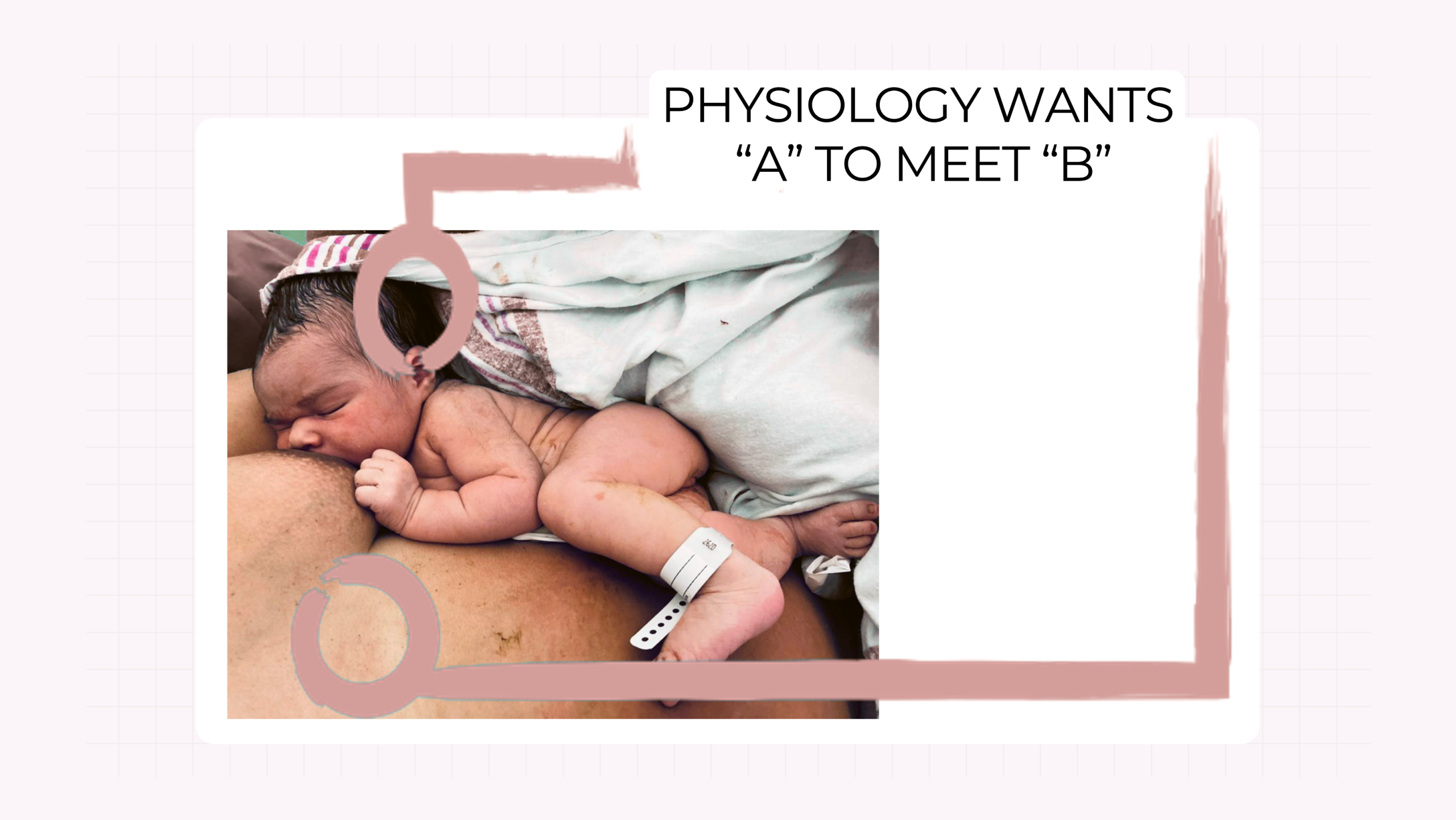
A different starting point in birth care
In maternity care, many of us are trained to look for what could go wrong.
We monitor those in our care. We assess risk. We prepare for complications. All of this has its place, but over time, something important often gets lost in that lens: the conditions that support health, trust, and physiological birth.
Salutophysiology invites a different starting point. It begins with a different question.
What is Salutophysiology?
Salutophysiology is a model of care that shifts the focus from risk to health.
Originally theorized by midwife Verena Schmid, it builds on the concept of salutogenesis, which asks not “What causes disease?” but “What supports health to flourish?”
In pregnancy and birth, this means looking at the whole picture:
- The nervous system
- Emotional experience
- Environment and relationships
- The interaction between the uterus, placenta, and body systems
Instead of separating these elements, salutophysiology brings them together, creating a full picture that allows us to better understand how birth unfolds.
It recognizes that physiology is not just mechanical. It is responsive, relational, and deeply influenced by how safe and supported a person feels.
Why this perspective matters in birth
Birth does not happen in isolation.
The nervous system is constantly responding to the environment, shaping hormone flow, muscle tone, and the body’s readiness for labor.
When care is primarily risk-focused, it can unintentionally increase stress, which may affect how birth progresses. Rather than supporting the conditions that help health unfold, risk-focused care often centers on avoiding or reducing risk.
Salutophysiology offers another way forward.
It centers:
- Trust in the body’s design
- Felt safety and emotional support
- Respectful, inclusive communication
- Awareness of how environment influences physiology
This doesn’t ignore complexity or risk. Instead, it creates a foundation where physiology can function more effectively, even within complex situations.
How this connects with Spinning Babies®
If you’re already familiar with the Spinning Babies® approach, this perspective may feel surprisingly aligned.
Spinning Babies® has long emphasized balance, movement, and the relationship between the body and birth. It looks beyond mechanics to support how the body functions as a whole.
Salutophysiology deepens this understanding.
Together, they:
- Expand the focus from positioning to the nervous system and environment
- Support physiological birth through both bodywork and presence
- Encourage care that is responsive, not directive
- Bridge hands-on support with emotional and relational awareness
This connection helps birth professionals move from doing techniques to being in relationship with the physiology of birth.
What this means in practice
For many birth professionals, there is a gap between understanding physiology and knowing how to support it in real time.
This is where salutophysiology becomes practical.
Through this lens, you begin to:
- Recognize how stress and safety shape labor patterns
- Understand the role of the autonomic nervous system in birth
- Strengthen therapeutic presence and communication
- Integrate hands-on support with a deeper awareness of the whole system
Instead of asking, “What should I do next?”
You begin to ask, “What is this body responding to, and how can I support it?”
A shift from fear to trust
At its core, salutophysiology is a shift.
From:
- Managing risk → supporting health
- Directing birth → responding to it
- Focusing on outcomes → honoring the process
It invites birth professionals to see physiology not as something fragile, but as something responsive and capable when supported well.
Learn Salutophysiology within the Spinning Babies® community
To bring this work into practice, Spinning Babies® has partnered with Anna Maria Rossetti to offer a new learning experience for birth professionals.
This course explores how the nervous system, environment, and physiology work together in pregnancy, birth, and postpartum. It includes live sessions designed to give you time to reflect, integrate, and apply what you’re learning as you go.
Over the course, you’ll:
- Revisit physiology through a neuroscience-informed lens
- Explore the connection between emotions, environment, and birth
- Strengthen your communication and therapeutic presence
- Learn approaches you can integrate into your care right away
This is an opportunity to expand your understanding, alongside a community of professionals who are also asking deeper questions about how we support birth.
Ready to explore this approach?
Registration is now open for Salutophysiology in Pregnancy and Birth: From Risk-Focused to Health-Oriented Care with Anna Maria Rossetti.
If you’re ready to deepen your understanding of physiology, strengthen your presence, and support birth in a more connected and responsive way, we’d love to have you join us.
“Salutophysiology in Pregnancy and Birth: From Risk-Focused to Health-Oriented Care” is a collaboration between Spinning Babies® and SEAO.
Register now and begin this learning journey with us.