
Turning Breech Babies and Cesarean Outcomes

Spinning Babies has said head down is half the story. And now it turns out that just how babies get head down is important. In recent years, the manual turning of the breech baby to head down has been poorly reviewed for adverse outcomes (Culver’s review of the Cochrane data base, 2013, 2015).  This September […]

4 Cm at Grey Sloan Memorial Hospital

Ok, I’m out. I’m a Grey’s Anatomy fan. Well, I can name only about 5 characters, I might not hold a candle to a true fan, but I do love the show. The new season really got my attention with its portrayal of a stalled labor at 4 cm. The laboring woman has medical reasons […]

What Does Spinning Babies® Do?
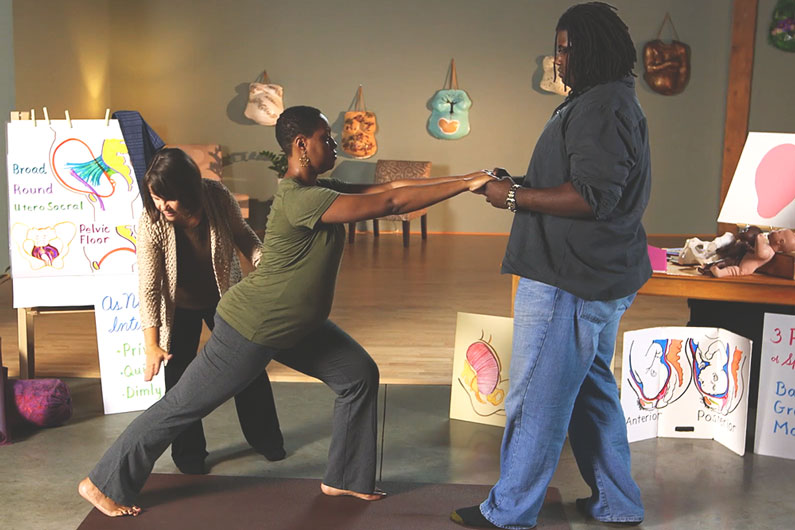
Spinning Babies Parent Class

Spinning Babies® offers recommendations to prepare for childbirth in pregnancy: Increase range of motion Balance the body (not too tight, not too loose, not too twisty) Movement daily Rest Smart   How do we do this? We do this with our Daily Essentials video. We do this with myofascial releases (the main ones are on […]

Oxytocin as a Safe Birth Activator

pregnant woman

“…oxytocin functions rather like a system activator and often influences the release of other signaling substances such as opioids, serotonin, dopamine and noradrenaline. Through these activations, different behavioural and physiological effects are facilitated and coordinated into adaptive patterns, which are influenced by the type of stimuli and environmental factors.” Uvnäs-MobergK., PeterssonM. Oxytocin, a mediator of anti-stress, […]

Emergency Birth
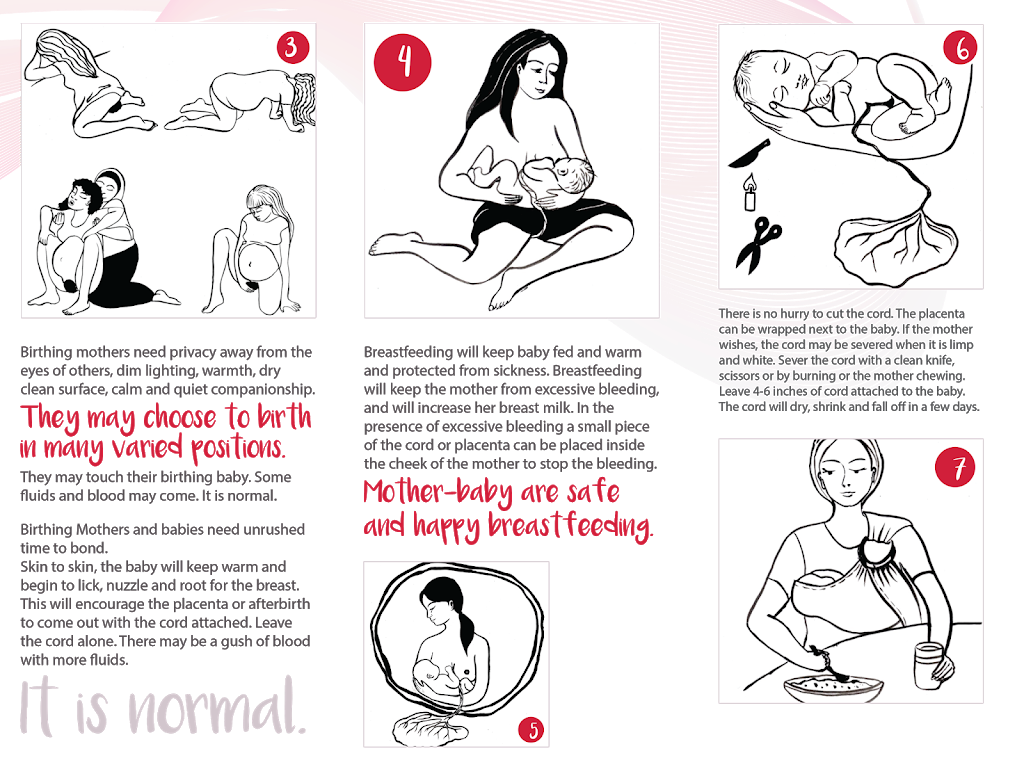
Spinning Babies Some of the facebook community midwives are offering conversation during an emergency birth for Texans trapped by water and birthing under dire conditions. I thought I'd add some general tips here to share. Please find stable ground, and when baby comes, have a level floor or surface under you. Kneel on one knee and put the other foot flat on the ground as baby comes out. You can use your hands now to catch your own baby before baby touches the ground. This is particularly good if the ground is dirty, contaminated with flood water, or mold. The first flora wins; make it Mama's. Help baby breath Some babies are born ready to breath. If not, it is usually because they have amniotic fluid in their mouth. Tip baby face to the side and chest lower than hips in the safety position so baby can spit fluids out of their mouth. Make the neck straight, don't let baby's head fall back or forward all the way to their chest or  breathing will be too hard for baby! Stimulate baby by rubbing back. Don't spank baby. If necessary, clean mouth and give a very small puff of breath into mouth. Don't be stressed and breathe a mouthful of air into baby. Baby's lungs are little, a cheekful of breath is plenty and exhale steady into baby mouth, don't blast air in or lungs can burst. A straight neck is best for this, chin slightly up, but not down. Some babies are limp at birth and just need a little moment before they breathe. If they need help, remember, tip, rub, talk to them, and if necessary, gently inflate lungs with a small puff of air. Bring baby to belly or chest keeping the neck straight and place a dry cloth over baby. Use a shirt from a family member. Wipe blood and fluid off baby, and put a different dry cloth over baby, but not over face. Keep baby on mother's chest or belly for warmth and cover. Don't try to cut the cord. It will dry by day 3-5 if kept clean. Add salt and herbs to the placenta but don't get a bunch of salt on baby. Nurse baby to reduce blood loss. Massage the uterus if necessary. It's deep in the belly. Pee often to reduce unnecessary blood loss. Nurse often, too, every hour to 3 hours is typical the first week. The baby may sleep about 5 hours on the end of the second day but if baby sleeps more than 5 hours too often, wake and nurse baby during the first few days or weeks until baby is alert and looking around sometimes each day. Push placenta out when you see a gush of blood after the birth. Being upright or squatting over a bowl, clean garbage bag, or something to keep the placenta clean. Transfer it to another clean, strong plastic bag like a gallon ziplock bag (after cleaning it a bit) and still don't cut the cord unless you have sterile equipment now. Just keep the bag near baby so the cord isn't pulled on. Put a diaper on baby or use a wash cloth or even a bit of plastic bag (but not tight) to collect baby's sticky, dark meconium (first poops) which is hard to clean. Don't use flood water on a newborn! The baby isn't immune to that bacteria in the flood water. Love your baby. Breath. Focus on your baby and your new job as a parent. Sing lullabies. You will be soothed along with your baby. Day 2: When baby pees, make a sissssss noise each time and notice how long after baby nurses that baby pees or poos. By day three or four you can make the little noise at about the right time and baby may begin to pee when you have a bowl under baby. Make baby comfy. If you don't have diapers  learning this tip may make life easier until you do... or maybe you may not want to go back. This can be gently and lovingly taught to a 3 day old. Just be calm and accepting. There is a lot of stress around. Create the love that will carry you all through. Share if you like. Like if you share! Share with friends in Texas. See Sister MorningStar's free download for helpers at Emergency Shelters: https://sistermorningstar.com/shanti.html   Come visit the blog. Spinning Babies Blog. www.spinningbabies.com

Some of the facebook community midwives are offering conversation during an emergency birth for Texans trapped by water and birthing under dire conditions. I thought I’d add some general tips here to share. Please find stable ground, and when baby comes, have a level floor or surface under you. Kneel on one knee and put […]

Birth Positions and Desseauve 2017
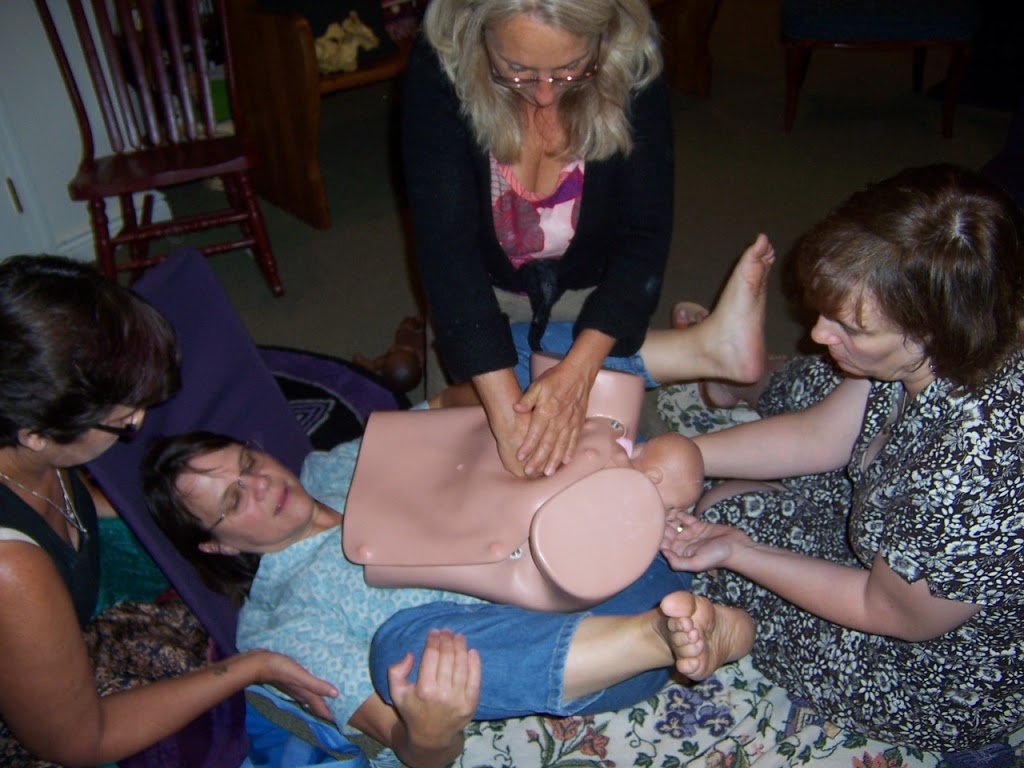
Spinning Babies If the difficulty comes from the curvature of the lumbar region ... put the parturient in a position with her knees flexed so that, with the vulva situated at the top, the pathways are easier.

I enjoyed reading David Desseauve’s French review on positions for labor and birth. I especially enjoyed finding a tip included from Aspasia, a midwife/gynecologist from the second century (translated from the ancient Greek by Pascal Luccioni), If the difficulty comes from the curvature of the lumbar region … put the parturient in a position with her […]

Dr. Marshall Klaus, Champion of the Doula

Spinning Babies Dr. Marshall Klaus, the world renown pediatrician, who with the late Dr. John Kennel, researched the power of a birth companion (doula) and followed other's research to discover the modeling that birthing women will sometimes even verbalize themselves! Video above: Dr. Klaus in 2001 talking about the doula with doula Malik Turley Malik Turley: "Dr. Klaus, I was at your talk yesterday about "Sensitive Period" and I was wondering if you have a couple minutes to go over that again for me?" Dr. Marshall Klaus: "Sure... You know,  John Kennel had been working for about 30 years on the problem. One of the things that we saw in the beginning that made us wonder if this period was unusual is that if mothers got her babies just one hour after birth the mother was different for as long as nine days. We'd never seen this. They were much more responsive to their babies. They were more interested in their babies. Yet, we hadn't given them any more education. And then when the new studies came up, related with mothers having more support during labor, and the South African group seeing that those mothers were less depressed 6 weeks later, we began to see that if mothers had their babies 6 hours on day 1 and 6 hours on day 2,  after birth, remember down South, in Susan O'Connor's data, there was less child abuse in the next 17 months and the study was randomized. We think that because the woman is having a large amount of oxytocin, the love hormone, being secreted, and it's going to the brain, that there's a major change in the brain of the newly delivered mother. And that this was placed in an evolutionary way so that women would be very sensitive to their new babies. So they have to begin to take the baby because each baby is different. And the mothers are staring at the babies and staring and staring.  They don't take their eyes off baby. When I asked some of these mothers years ago, they said they were taking in the baby. And I didn't quickly realize what this meant. It means they are incorporating, by watching the baby closely, the needs of the baby. What this means for physicians and nurses and doulas, is that you have a woman who is like a sponge . The more caring we are of this woman, she incorporates the care we give to her and it becomes the quality and the kind of care she gives her baby. And I think that what stimulates this especially is the doula. Because when the doula holds the mother and rubs her back and even though the labor takes 6, 8, 10, 12 hours, you don't leave her. You're with her and even though you're exhausted you stay with her. Very few people have ever been cared for like that. She begins to feel very warmly towards ...you. She takes in the way you cared for her, your gentleness and your caring, and then she applies this to the baby. And the more caring we are, she rises. Six weeks later and two months later she is still different. So she incorporates your qualities and she applies it to her baby. If you have your baby right after delivery, and it never leaves your bed those women in three different countries those women don't give up their babies. In Sweden, there's a woman, Kerstin Uvnäs Moberg, who has an idea of how this works. Right up to the time of delivery you have more receptors in your brain for oxytocin. And you get in a sense, an oxytocin high where you're open and you're open to new things. When you're in a Sensitive Period, it means you're mobile, emotionally. If you have a traumatic birth and you didn't have a doula, or somebody was mean to you, it could be destructive, hurtful to you. But if you're sensitively cared for, if have a difficult birth but a doula whose with you every minute, then you are able go up in your functioning permanently, I'm talking about. So, the Sensitive Period suggests we have to change obstetrical care to make it as humane as we can. The doula is an ideal person to model, not only to the mother but you can model for physicians such as myself, and you can model for nurses for the obstetricians, and when we see the kind of care you're giving her we're going to start to think about, why are you doing this, you know. And if we start to have more papers on the Sensitive Period then everybody that works with mothers will realize they are very powerful, but hopefully in a good way. What's good about the doula is you won't do anything for the mother unless you check with her. Malik Turley: Right. Dr. Klaus: You may want to rub her back but she may want you to rub her arms. She may not want any rubbing at all. So you're always checking with her. And we don't do that enough; I don't think doctors check with the mother enough. Give them choices. The Canadians are ahead of us. The Canadian Royal Society of Obstetrics recommends that every mother have a continuous caring woman with them. I would say every doula that we've seen is very gentle and caring. You have to remember you're a powerful person because she is in this unusual state of consciousness. Malik Turley: What do you see as the primary benefits from this caring influence in this Sensitive Period? Marshall Klaus: One of the biggest things is that mothers that are cared for in the way you are caring for women there's a chance she will be a lot less depressed. And there's data to support that. Less anxious. And I think that she'll take care of her baby using some of the care signals that you gave her. I visited a close friend some years ago. I was surprised she did this well with a set of two active twins. And I asked her, 'How did this all work out? Cause I knew you like to keep things in order, and babies don't keep things in order.' She said, 'You know when I had a doula, the doula was just wonderful with me. And when I got more upset she became more relaxed and helped me through it. Now, when the twins get upset I try to help them through it. But I don't get upset I become calm like my doula.' Dr. Klaus looks at the camera, smiles, and says, "That's real, by the way." Learn more on oxytocin. Enjoy this post? You also might like: Birthkeeper: Penny Simkin Doulas as the key to continuous care Holding Space for Creative Coping Complying with the Birth Plan Upcoming Workshops

Dr. Marshall Klaus, the world renown pediatrician, who with the late Dr. John Kennel, researched the power of a birth companion (doula) and followed other’s research to discover the modeling that birthing women will sometimes even verbalize themselves! Video above: Dr. Klaus in 2001 talking about the doula with doula Malik Turley Malik Turley: “Dr. […]

Preparing Strength with Vulnerability

Spinning Babies Lately, I've been re-introduced to vulnerability. I don't mean I've been re-introduced to hurt. Actually, I've been feeling stronger and more fluid than I have for a while within myself. I have more peace now with the process than I have had since the beginning of "my big learning curve" to give birth to Spinning Babies®. And in the strength of this emergence, I add some thoughts on preparing for birth and supporting birthing strength through the vulnerability involved with communicating needs. Pregnancy Decisions Pregnancy is a series of decisions to give birth, or not, and to end the pregnancy (or grieve a too-soon end of pregnancy) or to "be delivered" and give that powerful transformation sometimes called giving birth to one's self. One of the most treasured experiences of my doula or midwife life has been to serve women seeking again their power within to birth after a previous surgical birth. There is very often grief when birth is finished through major surgery. Whether the cesarean was expected and accepted, or sudden after a long labor or discovery of a breech position or other issue, the message may linger than one's ability to give birth may not be unrefutable. The grief of losing the experience of birth continues even with the welcoming of a live, and hopefully healthy child. Especially when the baby is healthy. Especially when the reason for the cesarean is less than certain. A parent may then ask, "Who am I now? Who am I really in view of this event? Who are we? Who is he? Who is she? I thought I was (they were) the birth giver and that moment was taken, shaken or forsaken." For many there remains a question, "If I have a chance to give birth again, can I finish under my own body's power?" Here the unknown is met with determination. Life brings cycles of stability and instability, coasting and accelerating, learning and sharing. Opposite forces rotate around our lives bringing us opportunities that balance through opposing experiences. Preparing for Birth Being pregnant and preparing for birth is a time of change. The unknown beckons while a need for comfort can bring about a want for comfort and surety. We are open in pregnancy to recreate ourselves even as we offer ourselves in empathy and hope to grow a child. In the depth of creative self, in creating self, we are in a sensitive period (as defined by Dr. Maria Montessori as a developmental period of absorbing information) where the behavior of the people we value becomes a model of social behavior. The seeming dichotomy to achieve a powerful, strong birth may be through vulnerability. What I mean by vulnerability is the taking a risk to express the desire of what one wants to experience. Another vulnerability is trying when the result isn't certain. Giving your heart 100% to the cause and risking disappointment. But this is also giving 100% and experiencing 100% the portion of the process you are currently in. The process is the reward. Sometimes women have told me that they choose not to tell their doctor what they want or don't want at birth because they don't want to make the doctor angry. The fundamental need is to protect access to the expert who will save your baby. Compromise is a coping skill to sustain a relationship with the person in power (the power to save the baby presumably), as well as to grow a collaborative relationship. But collaboration can only occur if communication comes first. Vulnerable Strength in Communication It's OK to say what you want to your birth professional. Speak in a way that is mutually meaningful so that you can be heard. It's OK to agree to be rescued if something goes amiss while maintaining autonomy when the birth process is proceeding normally or near normal. If your doctor or midwife disagrees with your request or birth plan it's OK to ask them more about their thoughts. Ask them if it's their personal opinion, medical finding or a recommendation from statistics rather than a medical finding of your specific situation. Common questions to help you make an informed decision are: What are the benefits? Are there risks? What are the alternatives, including waiting? What if nothing is done for a while, or nothing different? Is there any medical reason not to try something physiological first in a limited time frame? The Physiological Approach Of course, in my perspective, I'd like to try a physiological approach using techniques for balancing birth anatomy and positions for opening the pelvis if the issues are related to starting labor, strengthening labor or helping a long or painful labor progress. When we pick a physiological approach we need to know safety limits (we need to rely on medical assessment and agree upon signs of infection, range of normal blood pressure or normal fetal heart rate, etc). We are often able to resolve a labor stall, for instance, without surgery, but would not attempt to do so if risk factors for mother or baby were severe. And even as you agree to medical intervention, it's also OK to ask for the opportunity to try something you would like to include. Just as it's OK to sample the flavor of your labor and then accept a second surgery. It's just important to be OK with the process. Finding determination within unknown elemental forces is the role of a ship's captain and a birthing person. Know what you are about. Set your course. Communicate it with your crew. Keep afloat. Keep fresh water and food available. The mast must be both strong and responsive and so must we. Test the winds and don't hesitate to reset your sails. And let the stars guide you. Self-Reflection Spinning Babies® member Alisa Blackwood offers these dynamic questions to assist your self-reflection: “What are the opposing forces in your life?" "What would you list as your uncertainties and your desires?" Alisa guides us to give voice to our vulnerabilities, rather than pushing them aside. By embracing our vulnerability we propose to find our inner strength as well as help us ask for the support of others to help us birth from our best selves. Enjoy this post? You also might like: Women Are Women Wherever We Birth Supporting the Birthing Family's Perspective New Times Coming Birthkeeper: Penny Simkin Upcoming Workshops

Lately, I’ve been re-introduced to vulnerability. I don’t mean I’ve been re-introduced to hurt. Actually, I’ve been feeling stronger and more fluid than I have for a while within myself. I have more peace now with the process than I have had since the beginning of “my big learning curve” to give birth to Spinning […]

Resolving Shoulder Dystocia in Europe
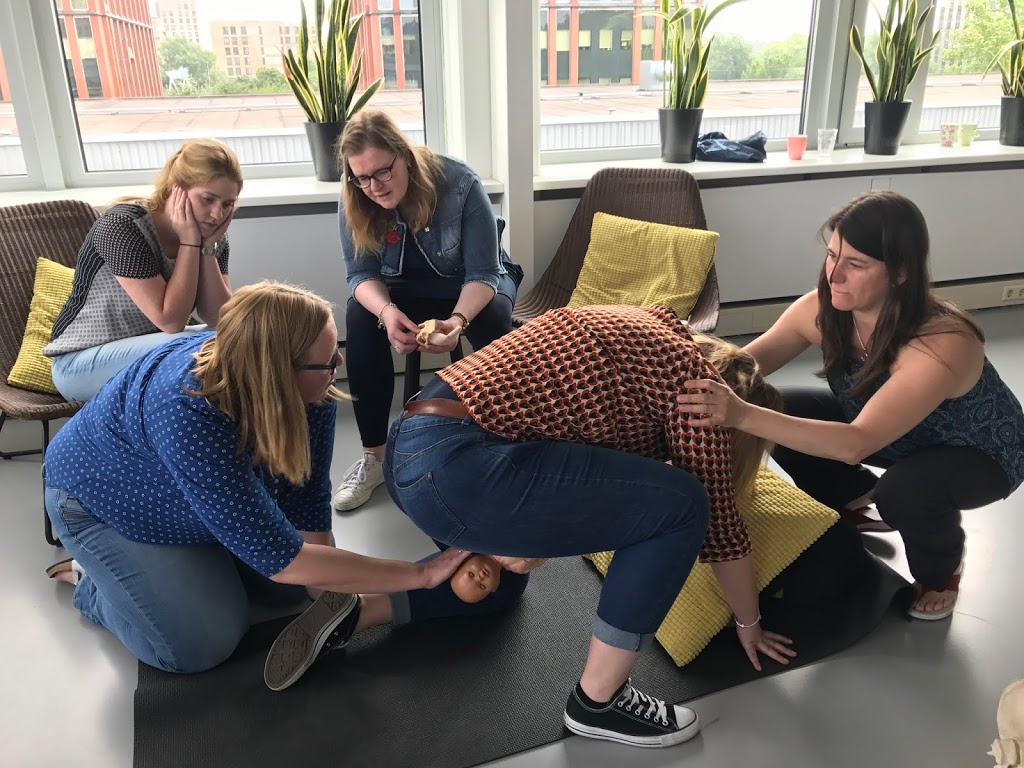
Spinning Babies I just got to teach Resolving Shoulder Dystocia in Italy and in Amsterdam. The wisdom and experience of these midwife "students" is immense, humble, and inclusive to my perspective.

I just got to teach Resolving Shoulder Dystocia in Italy and in Amsterdam. The wisdom and experience of these midwife “students” is immense, humble, and inclusive to my perspective. As midwives, we love to come together and learn from one another. Where else can midwives share insights and experiences unique to our experiences as midwives. […]

Twins and Spinning Babies®
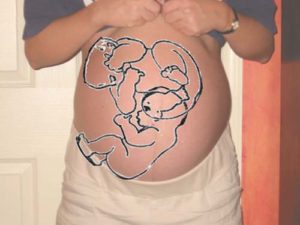
Spinning Babies I am expecting twins, can I use the same Spinning Babies techniques for my pregnancy and labor?

I am expecting twins, can I use the same Spinning Babies techniques for my pregnancy and labor? Yes! Spinning Babies approach works well for multiples. If you can, start early. Otherwise, start today. You may need to add professional bodywork help to balance uterine ligaments. Ask your doctor or midwife if there is any medical […]

The Difference a Sidelying Release Makes
belly mapping VBAC

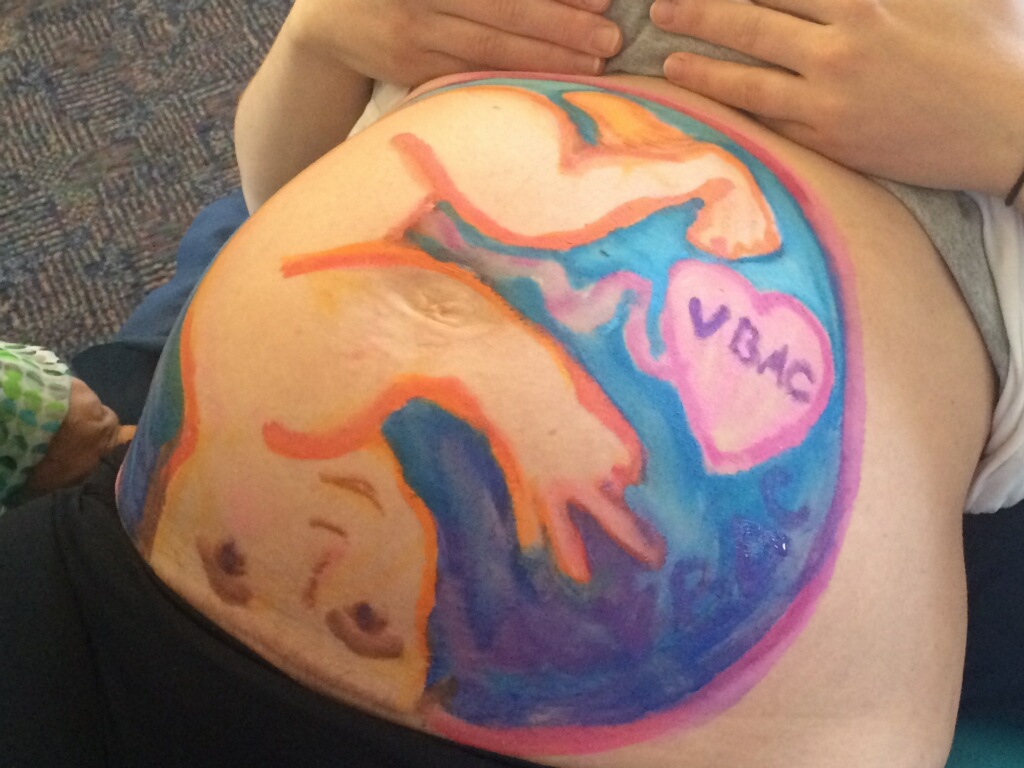
A happy doula, and Spinning Babies® Workshop attendee, named Beatrice emailed to rave about a VBAC birth. Many of us birth workers love to support a birthing family through a vaginal birth after a previous cesarean. The triumph of self-determination shines through the parent’s eyes. As providers, we know their life will never be the […]

Uterus in a Twist
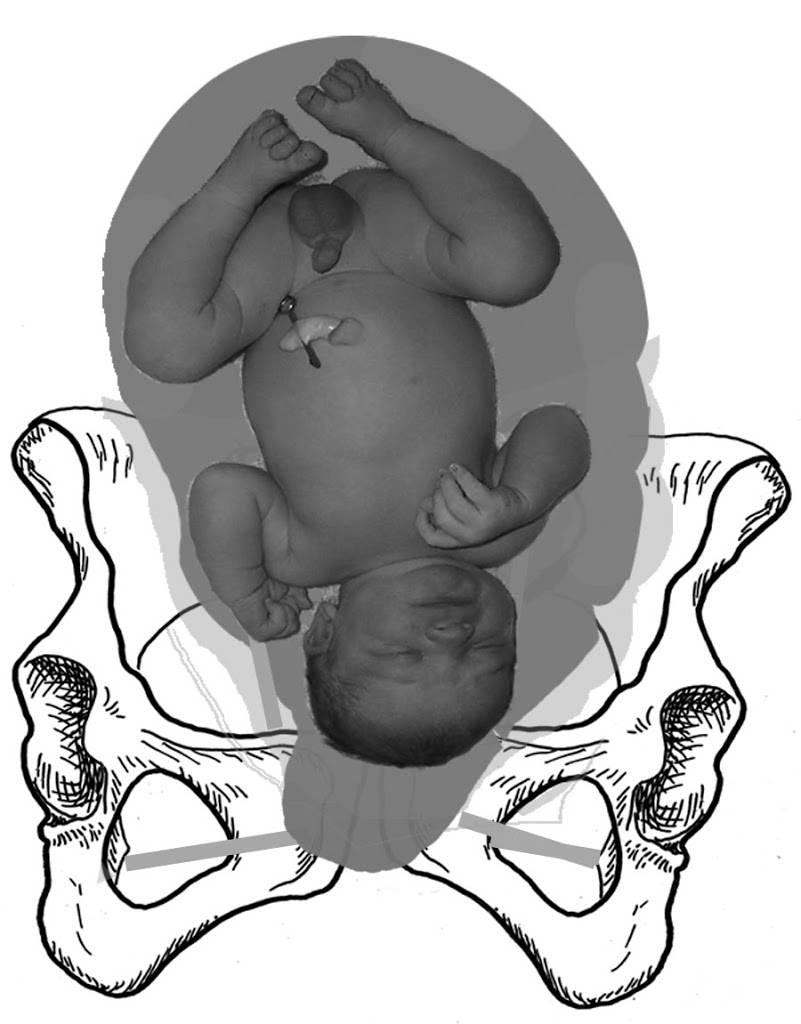
Spinning Babies When seeking an answer about what to do to protect the normalcy of birth, Spinning Babies asks the question, Where is Baby?

When seeking an answer about what to do to protect the normalcy of birth, Spinning Babies asks the question, Where is Baby? This is because the baby’s position reflects the shape of the uterus. For instance, if the uterus is well positioned, the baby is well positioned. If the uterus has gotten into a twist, […]